


Mongolian firm eyes Nordic bond first
Gobi Mining and Transport is planning to raise US$300m from what is thought to be the first Nordic bond transaction out of Mongolia.
The fixed-rate notes will have a maturity of five years and are being marketed at guidance of 14.5% based on investor feedback, chief financial officer Gary Doran told IFR. The private placement deal should close "in the next couple of weeks" with the first drawdown planned for the first week of January.
Nordic investment bank ABG Sundal Collier began investor meetings on December 1. Doran said the bank met with "north of 25 to 30 investors" who showed good appetite for the transaction.
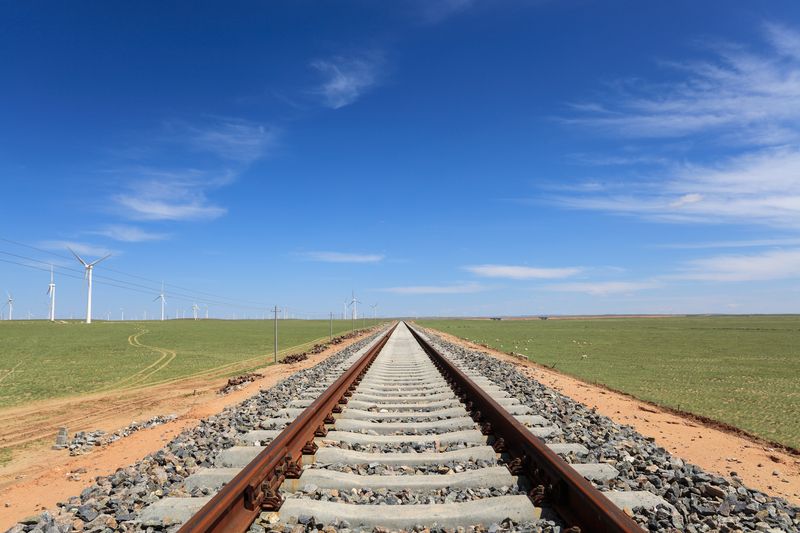
Singapore-registered GMT owns and operates a 20-year build-own-operate-transfer railway concession in Mongolia's South Gobi province that has been under construction since 2022. To date US$199m of construction has been completed, including a 227km stretch of railway.
It plans to use the proceeds from the bond issue to acquire additional rolling stock, upgrade terminal infrastructure, repay bank debt and for other general corporate purposes.
The deal marks the first Nordic bond out of Mongolia, according to Doran and other sources familiar with Mongolian capital markets.
As such, there was "definitely a lot of education" required and investors asked about the business model, structure and Mongolia's legal system, Doran said.
"Investors are intrigued by the project, they understand how unique it is to Mongolia. We are removing 450 trucks a day off the road which reduces pollution and pasture land damage," he said, adding investors understood the ESG story.
Coking coal is one of Mongolia’s leading export products and the country is the largest supplier of coking coal to China. According to data from China's General Administration of Customs cited by Reuters, the country shipped a record 9.29 million metric tons of coal to China in September this year, up 33% from a year earlier.
Developing Mongolia's railway infrastructure to increase efficiencies and reduce coal supply costs is an initiative supported by the World Bank's Infrastructure Sector Assessment Programme.
"The project is already a running project . . . We are looking at getting to the next stage, optimising for increasing our capacity to 700,000 tonnes of coal in the month of December," Doran said.
A person familiar with Mongolian transportation networks expressed doubt about the economic viability of a new rail line, explaining that Mongolia's largest mine, Tavan Tolgoi in the southern Gobi desert, already makes use of two existing railways.
"I do not see the economic necessity for this railway . . . Maybe it can service smaller mines, but don’t see the volume," he said.
CEO Bayartsengel Delgersaikhan, a member of the family that owns GMT, explained the new line connects to an existing railway running eastward between Tavan Tolgoi and Zuunbayan at a junction known as Nomgon, providing a shortcut to the Chinese border at Mandula. Volume will come from servicing mines in East Gobi, not just Tavan Tolgoi, he said.
Nordic channel
Nordic bonds are high-yield bonds targeting investors from the region and listed on Nordic exchanges. They provide issuers more flexibility and faster execution than 144A/Reg S bonds as they do not require issuers to obtain a rating and have fewer disclosure and due diligence requirements. They often include covenants regarding debt servicing and financial ratios to provide investor protection.
Other Asian issuers that have accessed the Nordic bond market include Malaysian oil and gas infrastructure player Yinson Group, which in April last year raised US$500m, the largest deal for an Asian issuer in that market. Yinson later tapped it for an additional US$100m.
Doran said the onshore syndicated loan market would not have allowed the company to achieve its fundraising target, while the company did not want to rely on China, its main consumer, for its funding as well.
"The Nordic bond structure seemed to tick all the boxes," he said.
The initial capital for the new rail project was provided by the owners of GMT. The company will have no further funding requirements after the US$300m fundraising, Doran said.
Subsidiary GMT Luxembourg will issue the unrated notes.