


Bond House: Citigroup
Scaling new heights
Improving market conditions and pent-up demand supported growth and competition in the Asia Pacific bond market in 2024. Citigroup stood out for its ability to meet a variety of issuer needs and push for successful execution of sometimes challenging deals, making it IFR Asia’s Bond House of the Year.
Asia saw a rebound in international bond issuance, and Citigroup was the clear leader for its geographical reach, broad distribution and ability to execute deals across the credit spectrum.
Volume for G3 bonds sold in Asia Pacific ex-Japan rose 22% to US$260.4bn in 2024, according to LSEG data, and Citi seized the top league table position with a market share of 8.2% and nearly US$21.5bn in volume.
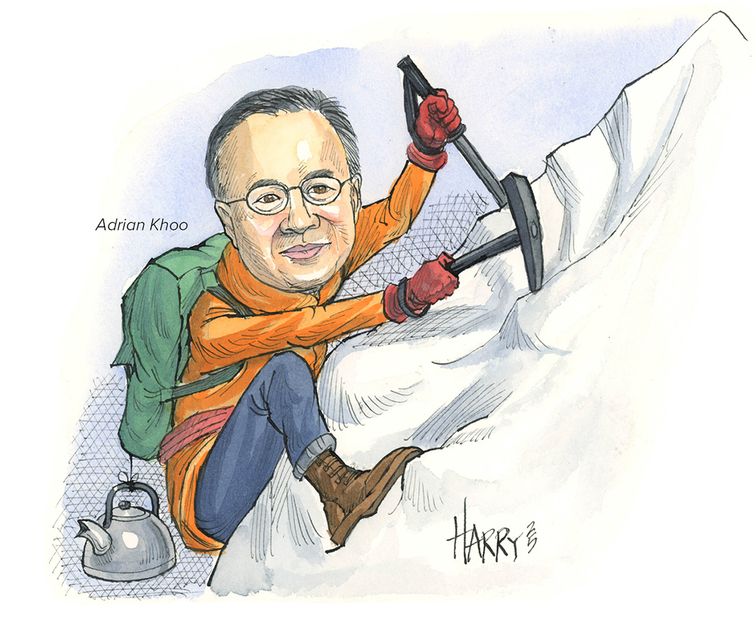
“Our success is down to a combination of people on the ground, our overall origination, and giving issuers the right funding solutions by coordinating with our loans colleagues,” said Adrian Khoo, head of Asia bonds at Citi. “It is a recovering market, and Citi has been at the forefront of the trends.”
A key part of Citi’s outstanding abilities comes from its reach across the region, with a strong presence in multiple markets and unrivalled distribution. Last year saw increased diversity in the borrowers, and Citi was there for many, ranging from its lead role on a number of Australian bank deals to Malaysian sovereign wealth fund Khazanah Nasional’s US$1bn dual-tranche outing in August, which was the only US dollar deal to come from the country last year.
Citi spotted the impact of a change to Taiwanese regulations, and led the first offshore bonds from the insurance sector there: successful Tier 2 issues by Cathay Life Insurance and Nan Shan Life Insurance.
In Greater China it led international comebacks for the Chinese sovereign and tech giant Alibaba Group Holding and brought deals for Hong Kong blue chips like CK Holdings and AIA.
It was the top foreign arranger in Australasia, bringing deals for the top banks as well as corporates like biotechnology company CSL.
The bank continued to play an outsize role in South Korea, one of the most active markets, where it had a 12.1% market share for G3 bonds. Its standout deals included Korea Development Bank’s transition to developed market SSA-style execution and the sovereign’s return to the US dollar bond market, which also marked a shift away from the traditional Asian deal style.
“Our business in Korea has been successful in bringing deals for SSAs, corporates and financial issuers on the back of our stable, consistent franchise and teamwork built over the past decade,” said Daeil Ahn, director for debt capital markets in Korea. “We have been investing in engaging with clients on things like ratings, ESG and their MTN platforms.”
Getting these deals done required more than just on-the-ground coverage, but also strong relationships with global investors, and an ability to spot changing patterns of demand.
“European investors are not as excited about Asian credit as they used to be, but that is more than made up for by the Middle East and US investors that have come and set up shop here,” said Rishi Jalan, head of Asia debt syndicate. “We have aligned our sales team in different verticals – credit, rates and FX – which helps when we need to do things like cross-currency swaps.”
A good read of investor demand was vital for a trade like Biocon Biologics’ US$800m debut. The bank introduced the biosimilars pharmaceutical sector to Asian investors and conducted extensive education and investor work ahead of the trade. It took particular skill to reconcile Asian and US investors’ differing views on pricing for the Indian high-yield credit.
“In South and South-East Asia, we have done deals for issuers from AAA to CCC ratings,” said Nitesh Dugar, head of debt capital markets for South and South-East Asia. “This ability to navigate the entire credit spectrum is unique to Citi.”
The bank supported India’s Vedanta Resources, which at one point had bond ratings of Triple C, in refinancing high-cost debt at lower yields. Citi worked on three US dollar bond outings, in September, October and November, taking out huge chunks of Vedanta’s existing 13.875% debt and achieving a single-digit yield for one issue, before working as the sole solicitation agent for Vedanta in December to put the issuer on a stable footing.
To see the digital version of this report, please click here
To purchase printed copies or a PDF, please email shahid.hamid@lseg.com
