


Shareholder activism pushes Japan M&A debt higher
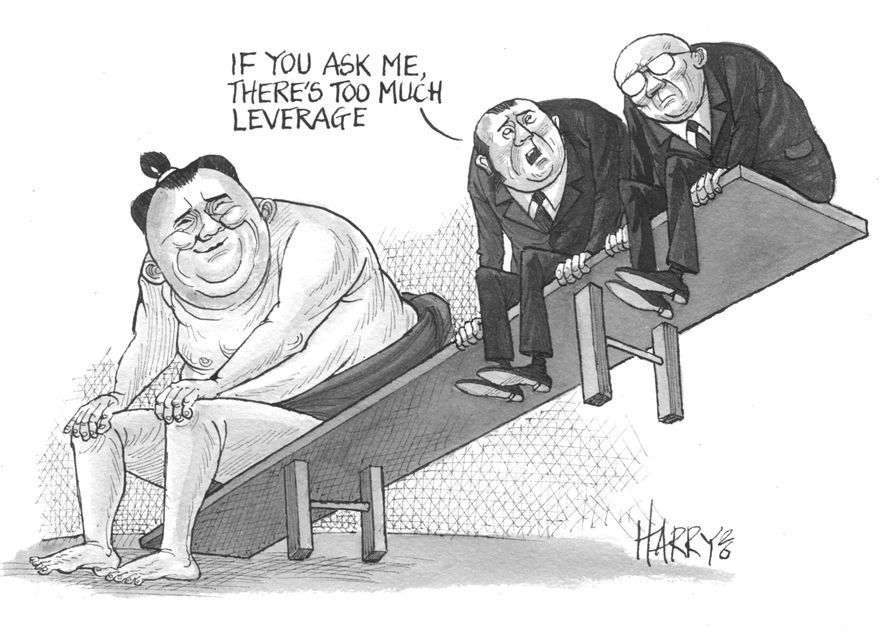
Heightened shareholder activism is fuelling more frequent bidding wars in Japan’s M&A market, piling pressure on lenders to increase the size of the financings backing the offers.
The M&A loan for unlisted real estate company Toyota Fudosan is the latest example after it sweetened its bid on Thursday to take its forklift maker affiliate Toyota Industries private in a deal valued at around ¥5.4trn (US$34.04bn), having faced criticism from shareholders over its initial offer.
Toyota Fudosan, owned by Japanese automaker Toyota Motor, increased its bid by 15% and the size of the loan backing the acquisition now totals ¥3.56trn. Mizuho Bank, MUFG and Sumitomo Mitsui Banking Corp are the initial lenders, and had previously lined up a borrowing of up to ¥3trn.
While the increased size is daunting – and will make the financing Japan’s second-largest M&A loan, according to LPC data – the Toyota halo and the relationship pull the conglomerate commands over domestic banks could help it cross the line.
“Unlike typical private equity funds-sponsored deals, this is a Toyota transaction of a fundamentally different nature,” said a senior LBO banker at a Japanese bank. “The key question is how lenders will assess it from a corporate risk perspective.”
Lenders are not expected to apply the same approach in other situations requiring increased amounts of debt, particularly in leveraged buyouts involving financial sponsors.
According to Jin Nishikawa, head of M&A finance at MUFG, if a debt requirement increases, the borrowing can be enhanced and structured with assets such as real estate and marketable securities. Such situations tend to occur more often in deals involving non-financial sponsors.
Toyota Fudosan was forced to sweeten its offer for Toyota Industries under shareholder pressure. US activist investor Elliott Investment Management, which holds a 5% stake in Toyota Industries, said on Thursday it would not tender its shares even under the improved terms as the company continues to be very substantially undervalued.
A similar dynamic is playing out regarding the potential management buyout of Tokyo-listed auto parts maker Pacific Industrial. On January 9, Core, a special purpose company established by Pacific Industrial president Tetsushi Ogawa, increased its offer for a second time for the company following a previous increase last October.
As a result, the debt backing Pacific Industrial’s MBO is now ¥238.1bn, increased from ¥231.3bn in October, which had already been upsized from the ¥184.6bn financing put in place in July at the time of the original offer. MUFG is the sole lender of the senior portion.
The latest offer price has won acceptance from Singapore-based activist fund Effissimo Capital Management, which has an 18.18% stake in Pacific Industrial and had been pressing for better terms for existing shareholders.
Cosmetics clash
Meanwhile, CVC Capital Partners in November increased the size of a loan backing the LBO of Japanese cosmetics maker Mandom to ¥60bn from an original size of ¥53bn. CVC was forced to revise its offer price after activist funds opposed its initial proposal in late September.
While the activist funds accepted CVC’s revised offer, the deal took an interesting twist after rival PE fund KKR submitted a counterbid for Mandom on Wednesday. KKR plans to launch a tender offer at ¥3,100 per share by the end of this month, 23% higher than the ¥2,520-per-share sweetened bid from CVC. KKR has received commitment letters from two financial institutions and KKR Capital Markets for debt financing backing its counteroffer. (See Japan Syndicated loans.)
Effissimo itself has benefited from shareholders pushing for a higher offer. In November, it successfully completed the tender offer for Osaka-based chemical products maker Soft99, acquiring a 31.3% stake and outbidding the original MBO plan led by the company's president Hideaki Tanaka.
MUFG, the sole lender of the MBO loan backing the original plan, had increased the facility to ¥44.91bn from ¥39.43bn to sweeten its offer.
MBOs on the rise
Bankers expect the MBO boom to continue this year, driven by business restructuring, stricter Tokyo Stock Exchange listing rules and rising shareholder activism. Japan is a hotbed for shareholder activism with a record 56 such campaigns in 2025, accounting for 22% of the global share and the vast majority of the 65 campaigns in Asia Pacific, according to a research report from Barclays.
With PE funds holding significant dry powder and Japan still seen as undervalued, bidding wars are likely to persist.
“We are increasingly being asked not only about the amount of funding and whether we can stretch, but also about the strategic significance of supporting these deals,” said Takashi Manabe, head of sponsors finance group at SMBC’s strategic corporate banking department.
“In transactions where a third-party bid is anticipated, many deals ensure that, at the outset, there is thorough discussion and agreement with the sponsor on the formula for providing additional funding should such a situation arise and the acquisition price increase beyond the initial assumption.”
Teruyasu Hino, managing director of the strategic finance department at Mizuho Bank, said the idea of increasing debt simply because prices have risen is not entertained at his bank.
However, “if there are reasonable grounds, such as an improvement in conditions that allows us to tolerate more debt, we do not rule out the possibility of agreeing to some debt increase”, he said.