


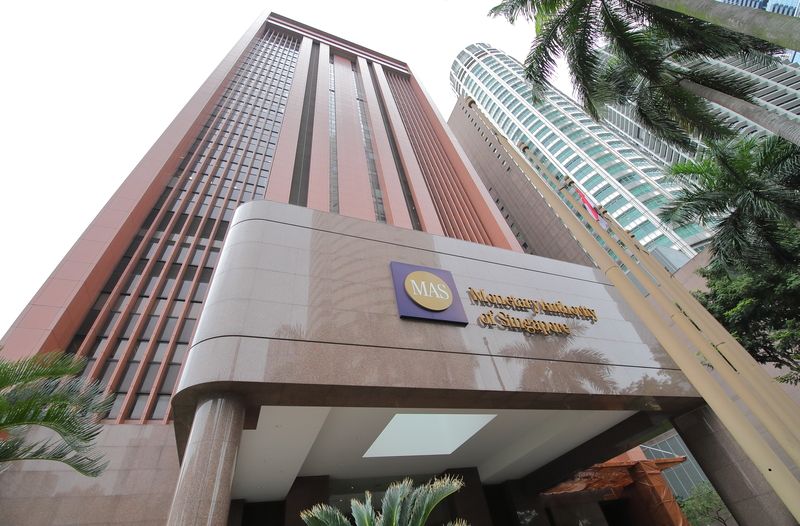
A rule change being introduced in Singapore next year will see bank capital notes lose their regulatory eligibility if any of the issues find their way into retail hands.
The Monetary Authority of Singapore on October 9 announced changes to MAS notice 637, effective from January 1 2026, that will stop retail investors taking exposure to Additional Tier 1 or Tier 2 notes issued by Singaporean banks.
Under the new rules, individuals will need accredited investor status in order to buy AT1 or Tier 2 notes.
The MAS said it was changing the rules to make it easier for financial institutions to make quick decisions about how to act in a crisis, without worrying about whether retail investors will be hurt by writedowns on loss-absorbing notes.
“Considerations regarding the imposition of losses on retail investors may lead to delays in triggering a bail-in, to the detriment of the broader financial system and the public,” wrote the MAS in its consultation paper in March.
The general public are currently not allowed to buy bank capital notes, but the changes basically prevent wealthy individuals from operating in a grey area where they can buy risky financial instruments while still relying on protections for retail investors.
Since 2019, investors in Singapore have needed to opt in to obtain accredited investor status before they can buy sophisticated financial instruments, under a regime that gives individuals access to a wider range of investments if they acknowledge that they understand the risks and accept responsibility for them.
Individuals can obtain AI status by meeting certain income or wealth requirements, such as a minimum annual income of S$300,000 (US$230,000). While AIs are allowed to invest in a broader range of assets, they are excluded from certain regulatory safeguards intended to protect retail investors, such as detailed risk disclosures and access to a compensation fund for certain defaults.
Previously bookrunners were allowed to sell bank capital notes to non-institutional investors and non-AIs as long as the denomination size of the notes was at least S$200,000. That loophole was closed last year with an amendment to the Securities and Futures Act.
Now, the rules are tightening further. Even asset managers will not be allowed to buy Singaporean bank capital notes for any mutual fund that is sold to retail investors. Nor will they be able to sell to retail any structured note that references a Singaporean bank’s AT1 price, for example.
If S$10m of a S$100m AT1 issue were to be sold to retail investors, either directly or indirectly, the entire S$100m would be disqualified as bank capital. The regulator will not hold the banks accountable for any notes that change hands in the secondary market, but will require the agreement governing the sale of such notes to an intermediary to make it clear that intermediaries must not sell them to retail investors in Singapore. Existing AT1 and Tier 2 notes held by retail investors before 2026 will be grandfathered and continue to count towards regulatory capital.
DBS Group Holdings, Oversea-Chinese Banking Corporation and United Overseas Bank as well as the locally incorporated entities of the foreign domestic systemically important banks in Singapore – Citigroup, Maybank, Standard Chartered and HSBC – will have to follow the rules, said a spokesperson for the MAS.
Other foreign issuers of Singapore dollar capital notes would not face any consequences, since their capital rules are set by their own central banks. Foreign banks, especially in Europe, have been frequent issuers of AT1 paper in Singapore dollars in recent years, drawing on demand from the Lion City’s private bank investors to print at yields lower than they could achieve in their home currencies.
Bankers warned that the new rules would make bank capital issues much harder for local banks to manage and questioned how the MAS would enforce them. They also said it did not make sense that only issuers are subject to penalties, but arrangers are not.
“They should put the onus on the bookrunners,” said a DCM banker.
The MAS last month proposed making it easier for retail investors to seek legal recourse for losses caused by market misconduct. The proposals include making it easier for retail investors to join existing court actions, allowing them to appoint an independent representative to coordinate legal action on their behalf, and establishing a grant scheme to help fund investor actions.