


Bond and derivatives volumes break records on Iran war inflation fears
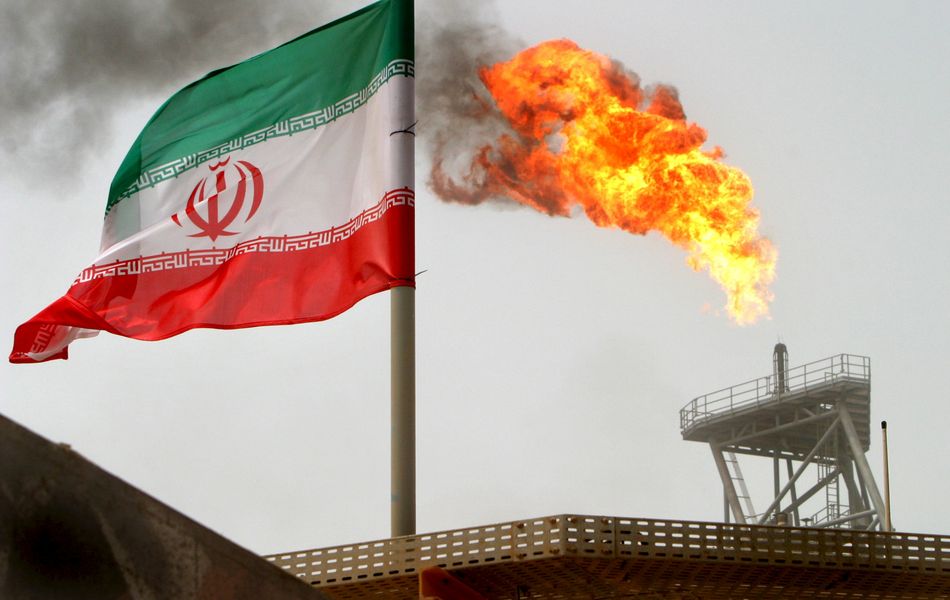
Investors scrambling to protect themselves against rising bond yields sent trading volumes in government bonds and interest rate derivatives surging to all-time highs in early March, as the prospect of a protracted conflict in the Middle East reignited fears over inflation.
A record US$20.1trn of interest rate derivatives notional changed hands in the first week of March, roughly twice 2025’s average weekly volumes, according to Depository Trust and Clearing Corporation data collated by ISDA. That was spread across an unprecedented 113,264 derivatives trades, making it the busiest week on record by some distance for these markets.
Government bond markets saw their busiest trading day ever on March 3 – at least on one measure – with US$464bn of transactions changing hands, according to MarketAxess's Trax data service, which captures about 85% of the European credit market. Average daily trading volumes are also running at all-time highs in March at US$315bn, just above February's record of US$314bn.
The deluge of activity comes amid a sudden spike in short-dated bond yields that has reportedly inflicted heavy losses on several high-profile hedge funds. That came as investors bet central banks will have to change tack following a surge in energy prices that is expected to push inflation higher.
Bankers say that hedging activity could accelerate if the war rages on for several months, raising the prospect of sustained higher oil and gas prices.
"At the end of the day, hedging activity will very much depend on the duration of the conflict,” said Jorge Garayo, head of inflation strategy at Societe Generale. “If the conflict is prolonged then you’re going to see a lot more hedging taking place due to greater rises in inflation expectations implied by the curve.”
The sharpness of bond market moves underlines how radically investors have had to adjust their expectations around central bank policy since the outbreak of the war in Iran. Prior to the start of the conflict, traders had anticipated interest rate cuts from central banks this year including the Federal Reserve and the Bank of England.
The surge in energy prices has since prompted investors to scale back those bets. UK government bonds have been among the worst hit ahead of the BoE's monetary policy committee meeting later this month in which traders had previously expected the central bank to lower rates.
The two-year Gilt yield was about 4.1% on Friday – its highest level in nearly a year – as Brent crude oil prices hovered around US$100 per barrel after Iran vowed to prevent ships passing through the Strait of Hormuz. Yields have now climbed by more than 50bp since the US and Israel started bombing Iran on February 28.
Deutsche Bank economist Sanjay Raja said in a note on Tuesday that it was changing its baseline call for two rate cuts from the BoE by summer, and instead sees the first cut coming in June.
"Events in the Middle East have added a thick cloud of uncertainty to the policy rate path," said Raja. "With energy prices up sizeably, the inflation path remains highly uncertain. The UK's disinflation trajectory is now in doubt. Fears of rising inflation expectations will pick up."

Risk-off
Short-dated eurozone bond yields have also risen sharply as investors have dumped popular carry trades, such as holding Italian and French bonds, and started to contemplate scenarios in which the European Central Bank could raise interest rates later in the year.
Benjamin Wiltshire, global inflation trading desk strategist at Citigroup, said the concurrent selloff in bonds and risk assets such as equities has posed a challenge for multi-asset investors.
“Agnostic of any view of elevated energy prices, the propensity for global rates to sell off with risk assets due to inflation concerns reinforces the importance of structural inflation hedges in portfolios,” he said.
The question for investors is how long the war will disrupt flows in global energy markets, keeping oil prices higher and risking a more extended bout of inflation. Economists at Bank of America said history suggests only marked and extended higher oil prices trigger lengthy inflationary cycles.
"The most recent escalation leading oil prices to rise above US$100 could become concerning if it proves persistent," the economists wrote in a recent note.