


P&M: Shenzhen to allow exchangeable bonds from small caps
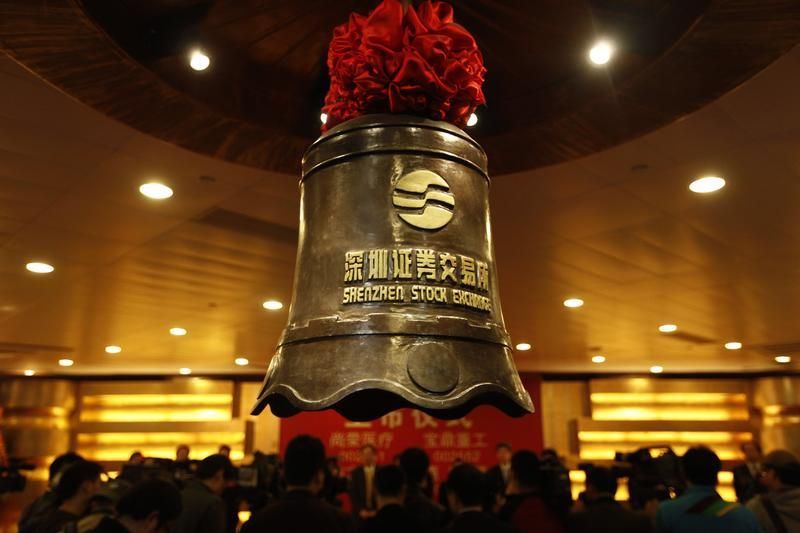
According to a document the SSE issued to the market on May 31, unlisted small Chinese companies, excluding real-estate and financial entities, will be eligible to issue private placements of exchangeable bonds. The move will give smaller issuers a way to use shareholdings in listed companies to raise funds, helping ease access to the capital markets.
As of the end of April, 135 SME private issuers had registered with Shenzhen Stock Exchange, and 88 of those had issued bonds. The sector’s total fundraising has reached Rmb10.4bn (US$1.7bn), and the weighted average coupon is 9.20%.
SMEs have been effectively barred from issuing exchangeable bonds under current rules that allow only corporate shareholders with net assets above Rmb300m to issue exchangeable bonds. The underlying listed companies must also have at least Rmb1.5bn in net assets, or a minimum weighted average return-on-equity ratio of 6% over the past three years.
The new SSE document suggests that companies that qualify as SMEs under the Ministry of Industry and Information Technology’s criteria can issue exchangeable bonds.
The rules include restrictions on the rates that the new instrument can pay. The issuing coupon cannot be more than three times the bank loan rate for the same tenor. The tenor of the bonds should be no less than one year and the conversion price cannot be lower than 90% of the 20-day trading average of a listed company. Investors can only exchange the bonds for A-shares six months after the investment.
As part of wide-ranging measures to revitalise the sluggish A-share market, the China Securities Regulatory Commission on September 5, 2008 released draft rules allowing shareholders of listed companies to issue exchangeable bonds.
However, not a single exchangeable bond has been issued since then.
