


Banks seize on precious metals trading boom
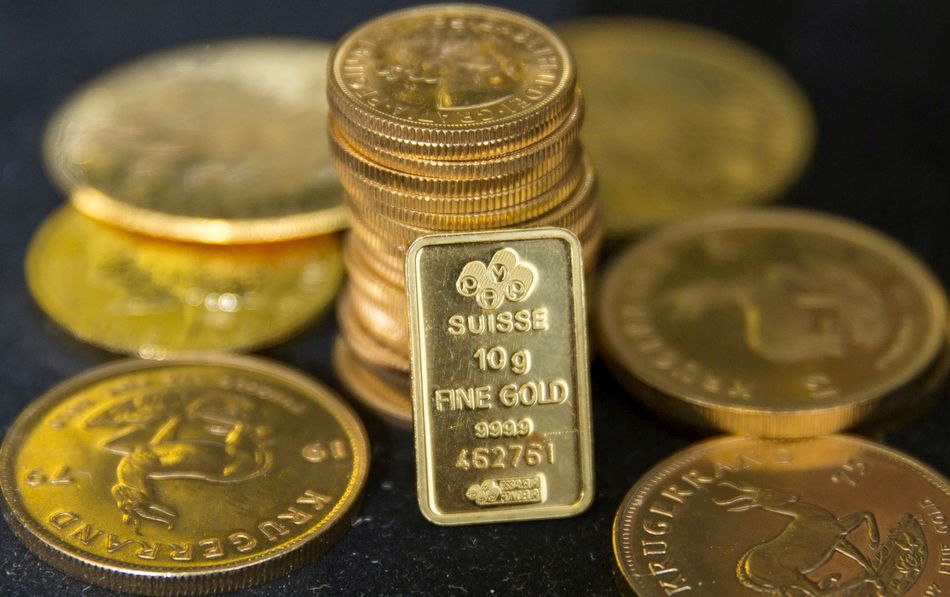
Banks are reaping the benefits of a trading boom in precious metals, as heightened volatility and surging client volumes deliver a bumper payday for commodities traders.
Global banks’ precious metals trading revenues jumped 60% last year to a record of nearly US$4bn, according to data provider Coalition Greenwich. That came as concerns over tariffs, the value of the US dollar and mounting government debt sent investors flocking to the apparent safety of gold.
The unprecedented trading bonanza has continued into 2026 after gold and silver prices soared to record highs in late January – before registering their sharpest one-day plunge since the 1980s.
Angad Chhatwal, head of fixed income, currencies and commodities at Coalition Greenwich, said banks are on course to increase precious metals trading revenues by up to 10% in the first quarter from an already high base following the unusually busy start to the year.
“Recent shifts in global macroeconomics have driven this volatility in precious metals prices and made trading these markets much more profitable for banks,” said Chhatwal.
“There’s been huge demand from retail investors for gold over the past year, adding to the ongoing buying from central banks and institutional investors. Tariffs have also created some interesting trading opportunities, particularly for banks that can take physical delivery of gold.”
A golden opportunity
A confluence of factors has turbocharged trading in gold markets over the past year. Central banks have been huge buyers of bullion for several years but many traders pinpoint the announcement in April of sweeping US tariffs as the primary catalyst for the broader surge in market activity.
Tariffs have created dislocations in gold prices across different jurisdictions, unlocking a wealth of trading opportunities. Gold’s reputation as the ultimate safe-haven asset also made it the main beneficiary of growing investor angst over tariffs, the path of inflation, government debt and the value of the US dollar.
Record amounts of money flowed into gold exchange-traded funds as large institutions and everyday investors took refuge in the commodity. Assets in gold ETFs doubled to an all-time high of US$559bn last year, according to the World Gold Council. Trading volumes in precious metals derivatives also rocketed as investors piled into more bets on these markets.
This upswing in activity has raised the prominence of metals trading at global banks, prompting many to look to expand in this space. Precious metals accounted for nearly a third of banks’ overall commodities revenues in 2025, according to Coalition Greenwich, a record high share. In previous years, precious metals typically represented about a fifth of banks’ commodities revenues.
“Banks have been investing in precious metals trading as the wallet [revenue pool] has been growing,” said James Conway, global head of metals trading at Citigroup. “Precious metals is very much a banking business. With gold at US$5,200 an ounce you really need balance sheet, access to funds and the ability to provide financing [to clients]. The wallet has been growing because of that client demand, and I don’t see that decreasing anytime soon.”
New heights
The precious metals craze has reached new heights in early 2026. Gold ETFs attracted a record monthly inflow in January, according to the World Gold Council, as gold prices climbed towards a peak of just below US$5,600 per troy ounce towards the end of the month.
Excitement spilled over into silver markets amid a historic squeeze that saw prices triple from their early September levels to a peak of more than US$120 per troy ounce on January 29. Both metals plummeted the next day when US president Donald Trump nominated Kevin Warsh to lead the US Federal Reserve – a conventional pick that appeared to suck some of the speculative fever out of these markets.
Investor activity soared amid the chaos. Futures and options on gold and silver hit a record average daily volume of 1.9m contracts in January, according to CME Group, a more than threefold increase from a year earlier. The growth in silver derivatives was particularly dramatic, with average volumes rising more than seven times.
“The recent volatility has generally been positive for the market," said Conway. "There was a lot of client interest – both physical demand for silver and for strategic risk-taking. So flows were up across the Street.”
Investing to grow
Deutsche Bank has had a particularly strong start to the year in precious metals options trading, according to sources familiar with the matter. A Deutsche spokesperson declined to comment.
The German lender is one of several banks that has been investing to expand precious metals trading over the past year or so as these markets have become more active. Citigroup, Standard Chartered and Wells Fargo are other examples of firms that have been increasing their presence.
“Commodities is foundational to the strength of our markets division,” said Ryan Moffett, global head of commodities at Wells Fargo. “Our metals trading business has been growing for the past several years, and it is an important part of our offering to our clients.”
Some banks have been particularly focused on bolstering their capabilities to take physical delivery of gold. Conway said Citi has been building its presence in physical gold trading “to become a proper front-to-back bullion bank".
"It’s an important growth area for us. Clients have more physical needs and financing needs than they used to. If you want to trade precious metals effectively, you really need the physical infrastructure. Otherwise, you’re at a competitive disadvantage,” he said.
