


SpaceX purchase of xAI brings relief – and headaches – ahead of record IPO
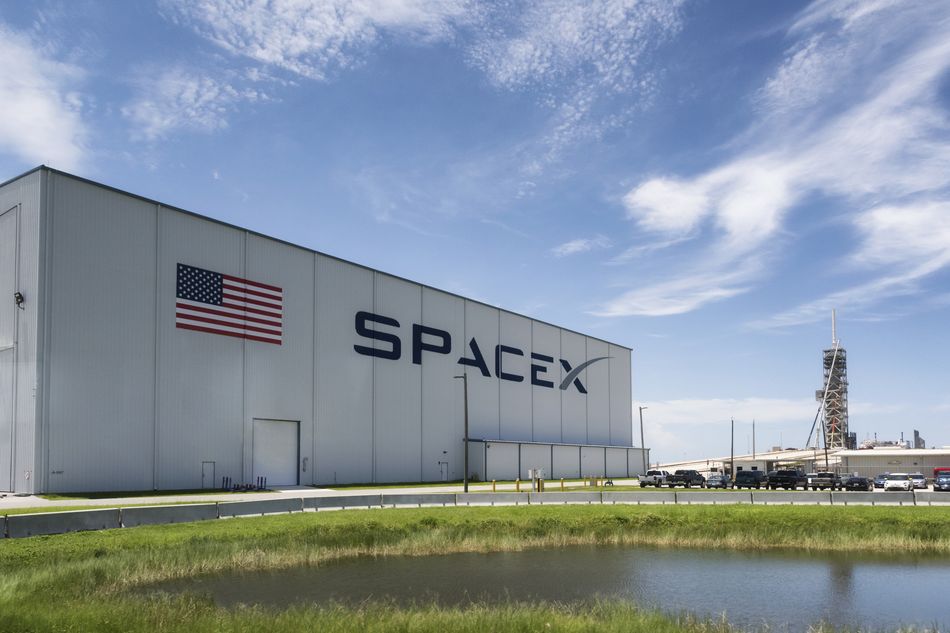
SpaceX has acquired its sister company xAI for US$250bn, in a deal that will provide some much-needed financial support to the lossmaking AI and social media platform – but which could complicate the rocket maker’s plans to launch the world’s biggest ever IPO in June.
The acquisition is the largest ever seen, beating Vodafone’s US$203bn purchase of Mannesmann in 2000 at the height of the dotcom mania. The all-share deal brings the two Elon Musk-controlled companies under one roof for the first time, valuing the combined entity at US$1.25trn.
But it has raised questions from some investors who are concerned about what appears to be an abrupt shift in the SpaceX business model just four months ahead of its planned IPO, with some signalling that it could complicate plans to raise as much as US$50bn in proceeds.
“xAI needs a lot of spending power to compete with these other players and it can’t finance itself,” said one investor. “So what do you do? You merge with a company with a monstrous valuation and use that currency to fund your needs. If I were a SpaceX shareholder, I would be furious.”
The rocket maker, which before the deal had focused on launching government and commercial satellites – and operating its Starlink network of satellites – will now supposedly pivot to building data centres in space, a technology that is unproven and considered unfeasible by many leading scientists.
“SpaceX has acquired xAI to form the most ambitious, vertically integrated innovation engine on (and off) Earth, with AI, rockets, space-based internet, direct-to-mobile device communications and the world’s foremost real-time information and free speech platform,” Musk wrote in an announcement.
Black hole
The pivot will be welcome for xAI, however, which desperately needs cash to stay in the costly AI arms race. Unlike rivals such as Google's parent Alphabet and Facebook owner Meta Platforms, which can use their highly profitable businesses to finance their AI ambitions, xAI is burning through about US$1bn a month.
By merging the two entities, Musk will be able to draw on the financial resources of SpaceX, which generates about US$8bn in annual profit. Proceeds from the company’s IPO can also be diverted to fund the cost of building the data centres needed to develop AI.
Musk has form in merging his companies to address weaknesses. In March, xAI bought his social media platform X for US$45bn, ending years of concerns about its debt levels. The deal reduced leverage and allowed X investors to exchange their shares for ones in xAI, a rapidly growing startup.
“When you think about the broader funding ecosystem … a company that was reliant on consistent capital raises is all of a sudden going to have a lot of access to capital,” said one xAI investor when asked about the rationale behind SpaceX’s acquisition.
The investor added that the June listing of SpaceX would likely benefit creditors to the company: “With the proceeds of an IPO they can pay down some of the debt and call the existing bonds and loans, clean up the capital structure and probably have much lower rates.”
Space oddity
But there are risks to the strategy. The biggest is that Musk destroys value in SpaceX by saddling it with the cost of developing xAI and shifting the company’s focus to justify the merger. As part of the pivot, SpaceX plans to launch a million satellites to operate as “orbital data centres”.
“Current advances in AI are dependent on large terrestrial data centres, which require immense amounts of power and cooling,” Musk wrote. “Global electricity demand for AI simply cannot be met with terrestrial solutions … without imposing hardship on communities and the environment.
“In the long term, space-based AI is obviously the only way to scale,” he said. “The only logical solution therefore is to transport these resource-intensive efforts to a location with vast power and space. I mean, space is called ‘space’ for a reason.”
Analysts are sceptical. MoffettNathanson, an equity research house focused on the technology sector, published a note saying that capital needed to finance the launch of a million satellites to construct an orbital data centre would be “simply enormous”.
“At a bare minimum, one can safely conclude that a fully fledged build is not happening anytime soon, given the requisite operational maturity, supply chain development and financial requirements,” the analysts wrote in the report published after the announcement of the SpaceX deal.
Dark matter
Even before the deal, Musk’s other companies had been providing financial support to xAI. Tesla said in its fourth-quarter earnings report on January 28 that it contributed US$2bn to its sister company’s US$20bn funding round last month. Its participation was not disclosed at the time. SpaceX also invested US$2bn in a round in July.
Other investors in SpaceX and xAI were largely kept in the dark about the acquisition, with many only finding out about the terms of the deal in a frantic phone call just ahead of the announcement. On the call, finance executives said the timetable of the planned IPO had not changed.
Additional reporting by Paul Kilby